Homeschooling Through the Unseen Storm: Author Jamie C. Martin Opens Up About Trauma, Healing, and Resilience

Five years ago, writer, podcaster, and homeschooling veteran Jamie C. Martin found herself standing at an unexpected precipice. While the global pandemic upended daily routines worldwide in 2020, her personal life entered an entirely separate crucible of reckoning. What began as a routine decision by her husband to enter therapy ultimately catalyzed a profound, tumultuous, and ultimately redemptive transformation in Martin’s own life, forever altering her worldview, her parenting, and her relationship with the demanding world of education and writing.
Martin, co-founder of the educational resource platform Simple Homeschool and founder of the Introverted Moms community, recently shared her deeply personal journey in a vulnerable essay. For years, she balanced the rigorous demands of raising three teenagers—including two children with special needs—while maintaining a prolific career writing books, managing online communities, and keeping up appearances. Yet beneath a composed exterior, an internal crisis was quietly brewing.
The Catalyst for Change
The journey inward began innocently enough during the early months of COVID-19 lockdowns. When Martin’s husband announced he was starting therapy—a move she initially likened to hearing someone casually declare they were getting plastic surgery, given his traditional British "keep calm and carry on" upbringing—she was completely taken aback.

After observing his therapeutic process for six months, Martin decided to seek counseling herself. She initially envisioned it as a practical tool to help her better manage the day-to-day stress of homeschooling three adolescents amidst a global health crisis. Instead, the decision cracked open a lifetime of deeply buried emotional weights.
Early in her sessions, her therapist asked her to recount one of her earliest childhood memories. Martin shared an anecdote that she had always viewed as typical and mildly humorous. Her therapist, however, paused and offered a different perspective, noting that the thought patterns and behaviors described were unusual for a typical preschooler. The observation pointed toward deeper emotional layers that required the expertise of a trauma specialist.
Around the same time, while selecting reading material for her Introverted Moms book club community, Martin chose Holley Gerth’s book The Powerful Purpose of Introverts. Within its pages, she encountered a concept she had never previously considered: "high functioning depression." As she read through the diagnostic characteristics, she was struck by how intensely she resonated with the majority of them.

Confronting High-Functioning Depression
The realization presented a jarring contradiction. By all external metrics, Martin was thriving. She woke up early every morning, successfully homeschooled her children, authored books, maintained blogs, and led a thriving online network of women.
Internally, however, the reality was starkly different. She frequently experienced profound physical lows where her entire body ached, sleep eluded her, and she battled pervasive feelings of unworthiness and internal despair. Yet, driven by sheer resilience, she continued to hold her life together on the outside. Looking back, Martin credits grace for bringing these hidden truths to the surface, refusing to let them stay buried any longer.
The ensuing five years unfolded as what she describes as a grief-filled arc of death and resurrection. The internal defense mechanisms that had protected her for decades finally demanded to be heard. Navigating this phase meant honoring long-suppressed pain without any immediate guarantee of resolution or relief.

Balancing Public Leadership with Private Healing
Even as she unraveled internally, Martin maintained her public commitments. She completed her final years of homeschooling, continued writing, managed her team at Simple Homeschool, and engaged regularly with her online community. However, the emotional toll of carrying out creative work while undergoing deep psychological reconstruction was immense.
At the conclusion of one particularly grueling year, Martin admitted to a friend that everything she created seemed to wound her. The breaking point arrived when she was forced to pause a major book project, an experience that culminated in tears during a Zoom call with her literary agent. It felt as though everything she thought she knew was falling apart—because, in many ways, it was.
Though her platform was built on emotional authenticity, she initially struggled to find the words to explain her absence or internal turmoil. She captured her experiences in private journals, relying on them as a lifeline to rewrite her personal story, even if those pages were meant only for her eyes.
A Transformation Realized
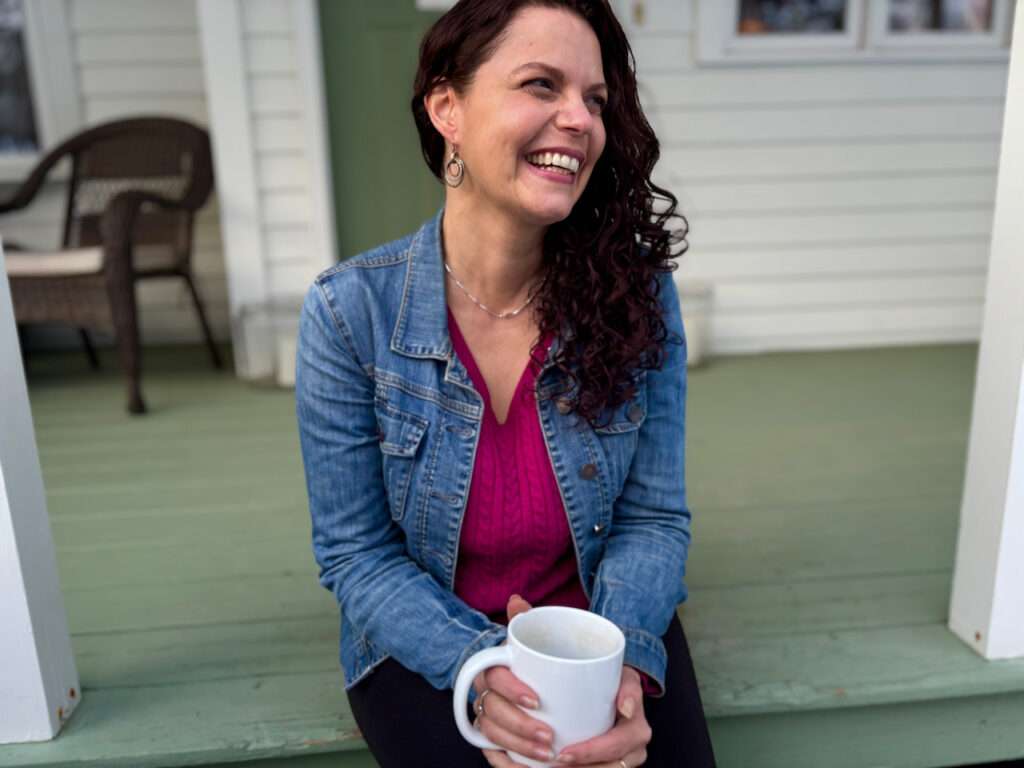
Very gradually, as she processed and released repressed negative emotions, the internal climate began to shift. The transformation was so thorough that longtime acquaintances frequently noted her physical appearance and demeanor had completely changed. Today, she radiates an inner confidence she once believed was reserved exclusively for others.
While her pain has not vanished entirely, Martin’s relationship to it has evolved. She understands its origins, recognizes that it was never her fault, and—crucially—knows that she is finally safe. Sadness no longer threatens to swallow her whole; instead, she can experience grief while effectively modeling emotional regulation for her children.
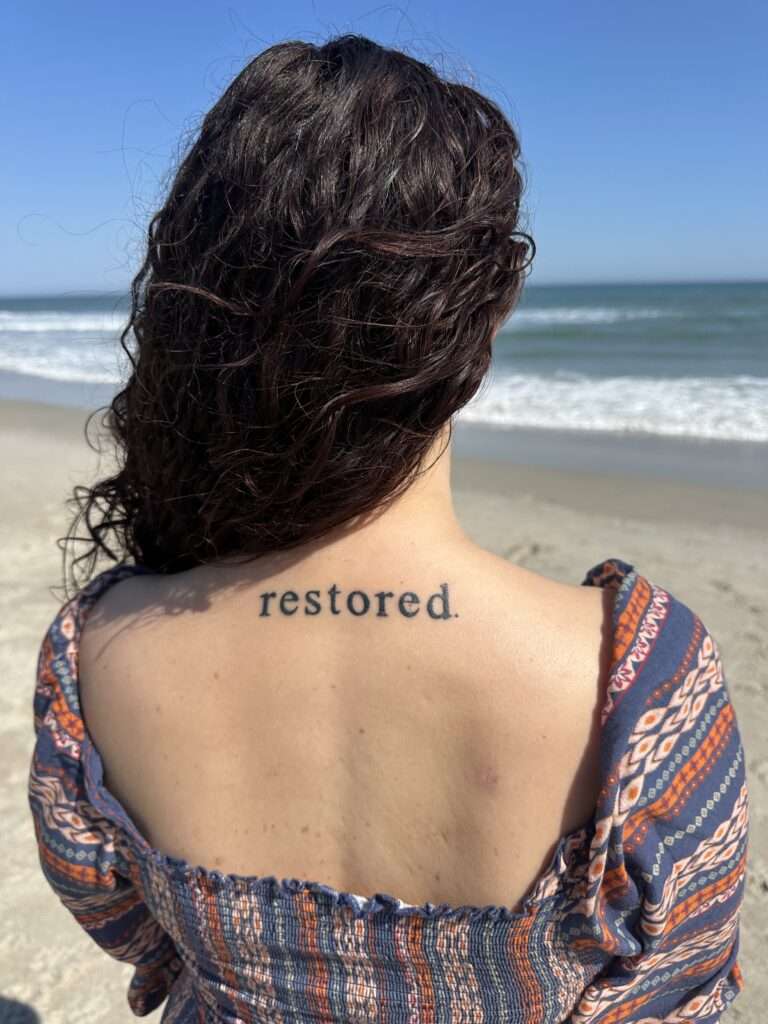
Five years after first encountering Holley Gerth’s checklist for high-functioning depression, Martin recently revisited the criteria and found that she no longer resonated with a single item. On the eve of her 50th birthday, she commemorated this profound personal metamorphosis with a tattoo, sealing a chapter defined by courage rather than conventional survival.
By sharing her story, Martin hopes to offer a quiet solidarity to other parents who find themselves quietly navigating trauma while tending to the daily demands of family life and education. For those treading water, caught in the heavy, unglamorous phase of healing without a clear horizon, her message is simple: endurance is not failure. It is courage, and it is survival.
