Family Playtime and Shared Activities Offer Powerful Opportunities for Child Development and Connection
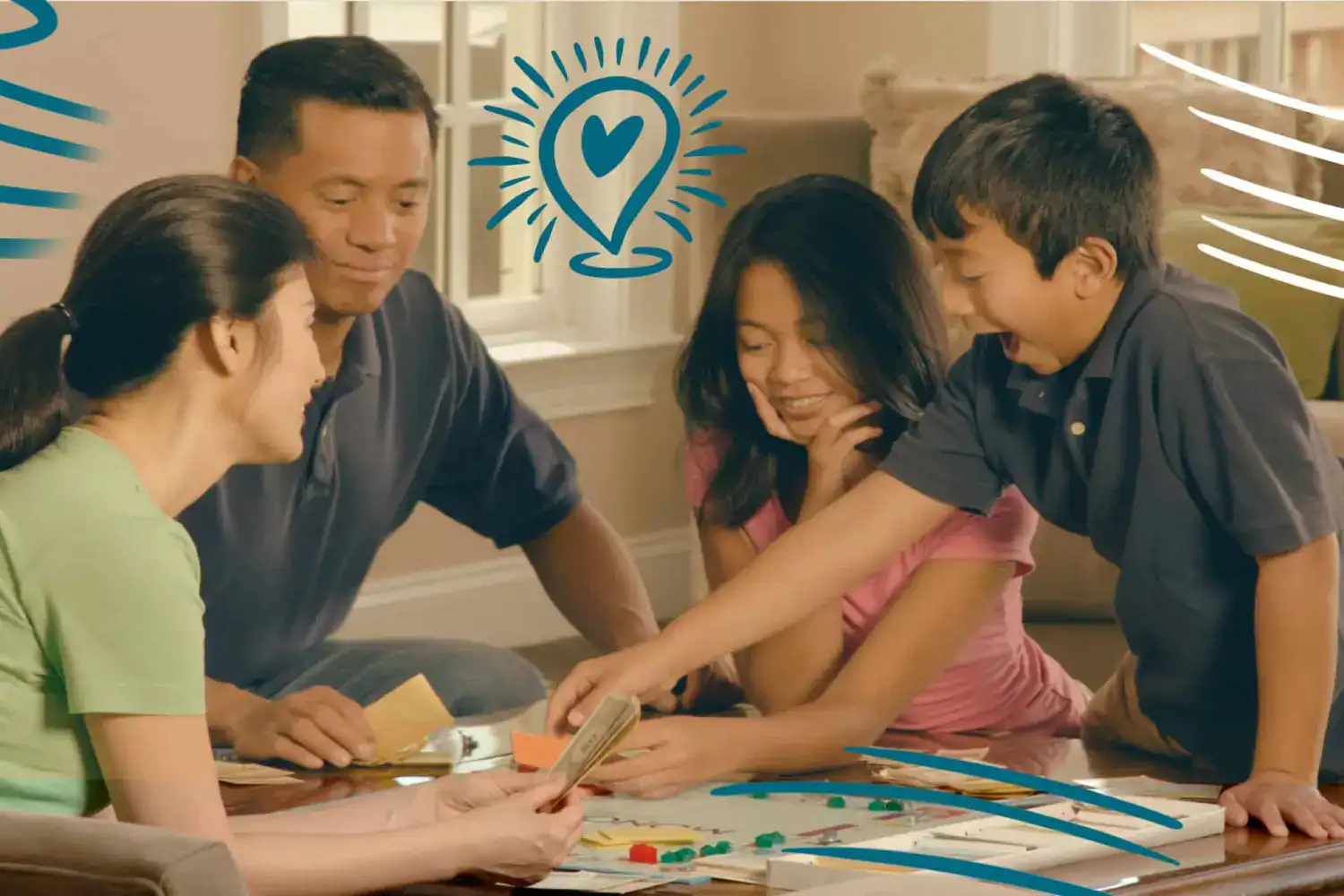
Whether families are navigating a prolonged rainy week or looking for meaningful ways to fill an extended school break, children continually seek out opportunities to play. Beyond simply passing the time, play serves as a vital developmental engine through which children master new skills, explore complex ideas, and release pent-up physical energy. Engaging in games and collaborative activities with children provides parents with a profound opportunity to demonstrate steadfast love, signal genuine interest in their children’s developing personalities, and foster deep emotional bonding.
The value of these shared moments often surfaces during the most ordinary interruptions. For instance, when a continuous downpour keeps children indoors for days at a time, the familiar refrain of boredom frequently echoes through the household. Parents often find themselves balancing extensive to-do lists, household chores, and professional obligations. However, stepping away from domestic responsibilities to clear off a kitchen table and pull out a simple deck of cards can instantly transform the atmosphere of a home. A spontaneous round of a classic card game can quickly evolve into an enthusiastic tournament, complete with improvised trophies and shared laughter. These unscripted afternoons frequently become cherished memories that children carry with them for years to come. Meaningful connection does not always demand elaborate planning, expensive outings, or high-tech entertainment; rather, it requires dedicated time, a touch of imagination, and a willingness to meet children on their own level.
Why Finding Games and Activities Matters for Family Dynamics
The range of available games and shared activities is virtually limitless, proving that even the most basic household items, such as an empty cardboard box, can spark extraordinary imaginative adventures. Initiating these interactions supports cognitive growth and emotional resilience. When adults actively participate in play, they validate their children’s interests and emotional worlds. This intentional engagement builds a foundation of trust and open communication, making it easier for children to navigate challenges both inside and outside the home.
To understand the breadth of activities that can enrich family life, experts and parents often categorize play into distinct developmental areas, ranging from theatrical expression to intellectual challenges and physical exertion.
Theatrical Expression and Creative Performance
Encouraging children to step into the spotlight can significantly boost their self-confidence and communication skills. Performance and dramatic play allow kids to experiment with different perspectives, build public speaking poise, and exercise their imaginations. Making up original stories, acting out favorite tales, or stepping into the roles of diverse characters provides a dynamic outlet for self-expression. By participating in or observing these creative showcases, family members validate each other’s artistic efforts and share in the joy of storytelling.
Physical Exertion and Energetic Play
Children naturally possess an abundance of physical energy that requires healthy outlets. Incorporating movement-based games into the daily routine benefits both children and adults by promoting cardiovascular health, motor skills, and stress relief. Engaging in active play together ensures that exercise feels like recreation rather than an obligation. Whether through structured movement games or spontaneous indoor physical challenges, keeping the blood flowing contributes to overall physical well-being and helps burn off restless energy during days spent indoors.
Home Game Shows and Interactive Entertainment
Transforming the living room into a broadcast studio by hosting a homemade game show offers an effective way to break up monotonous routines and stimulate group participation. Trivia challenges, guessing games, and talent showcases encourage quick thinking, sportsmanship, and collaborative teamwork. These interactive formats invite every family member to contribute, leveling the playing field between older and younger participants and creating an atmosphere charged with anticipation and shared amusement.
Classic Board Games and Strategic Thinking
Board games remain a cornerstone of family entertainment, offering thousands of options tailored to various age groups, developmental stages, and strategic preferences. Classic board games teach valuable lessons about patience, strategic planning, reading social cues, and managing both victory and defeat gracefully. Sitting down around a board game encourages focused attention away from digital screens and promotes face-to-face social interaction among family members.
Traditional Card Games for All Ages
Card games provide another accessible and portable avenue for family bonding. Requiring little more than a standard deck of cards, these games appeal to a wide range of ages and skill levels. They help younger children practice number recognition, sorting, and pattern matching, while offering older children and adults opportunities for tactical planning and memory retention. The simplicity of card games makes them an easy option for impromptu family gatherings in the kitchen or living room.
Pen and Paper Games
When resources are limited, imagination takes center stage. Pen and paper games demonstrate that entertainment requires very little material investment. Traditional paper-and-pencil activities challenge players to use their wits, test vocabulary, draw intricate designs, or outmaneuver opponents through logic. These quiet games encourage focus, concentration, and creative problem-solving while providing a calming counterweight to high-energy physical activities.
Intellectual Challenges and Cognitive Development
Engaging the mind through specialized thinking games helps children sharpen their analytical abilities and academic skills. Activities that require deduction, pattern recognition, and critical thinking keep young minds active during school breaks. These intellectual exercises support cognitive development by encouraging children to approach complex problems methodically and creatively, reinforcing learning in a low-pressure environment.
Puzzles and Spatial Reasoning
Puzzles come in a multitude of shapes, sizes, dimensions, and difficulty levels, making them versatile tools for developing spatial awareness and persistence. Whether completed independently or collaboratively as a family, working on a puzzle requires patience and attention to detail. Families can tackle complex jigsaw puzzles together, collaborating on border pieces and sorting sections by color, which fosters cooperative problem-solving and mutual encouragement. For families seeking additional resources, printable activity and puzzle pages offered by specialized parenting and children’s publications provide ongoing opportunities for engagement.
Building, Constructing, and Deconstructing
Construction activities offer tangible lessons in three-dimensional geometry, structural integrity, and spatial planning. Whether working with blocks, building materials, or household items, children learn how components fit together to form larger structures. Moreover, the process naturally extends to the cleanup phase. Tearing down structures and putting materials away together teaches valuable lessons about shared responsibility, organization, and teamwork, turning a routine chore into a cooperative completion of a project.
Arts, Crafts, and Creative Hobbies
Exploring the world of arts and crafts allows children to experiment with textures, colors, and design concepts. Adopting a creative hobby as a family unit encourages long-term collaboration and skill-building. Completing craft projects gives children a sense of accomplishment, especially when their finished creations are displayed proudly in shared family spaces. This visible recognition reinforces their self-worth and celebrates their creative contributions to the household.
Ultimately, dedicating time to play games and share activities with children remains one of the most effective ways to nurture healthy family relationships. While this extensive array of activities represents only a starting point, it serves as an inspiration for families seeking to cultivate connection, reduce screen time, and create lasting memories together.
