A Nation of Many: Historic
Diversity in Post-Election America Highlights the Enduring Work of Pluralism
Following a historic week across the United States, citizens are grappling with the familiar dichotomy of the electoral process: while some celebrate victories, others face the sting of disappointment. In a nation as vast and varied as the United States, elections are inherently zero-sum contests, leaving a landscape where elation and deflation exist side by side. Yet, amid the political dust settling from a closely watched election season, nonpartisan organizations like Interfaith America are emphasizing a broader, more unifying reality—that American democracy has once again demonstrated a remarkable capacity for inclusion.
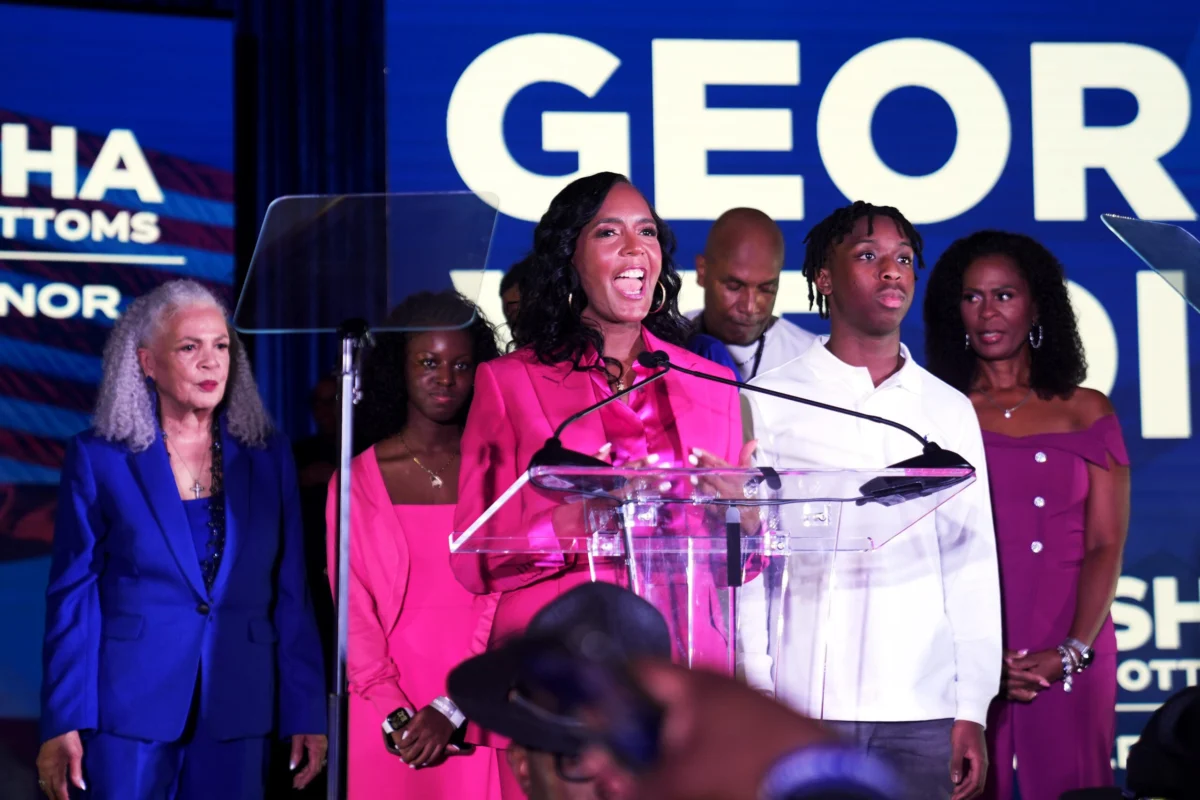
Interfaith America, dedicated to the principles of pluralism and cooperation across deep divides, points out that regardless of individual political affiliations or how one voted, this week marked a profound milestone. American voters elected one of the most diverse groups of leaders in the nation’s history. This historic achievement crossed partisan lines, drawing praise from civic leaders who view the inclusion of leaders from varying racial, religious, generational, and political backgrounds as a vital stress test and triumph for modern democracy.
Americans Elected One of the Most Diverse Groups of Leaders in Our Country’s History
Diversity is a core treasure championed by advocates of pluralism, and the recent election results offer a striking visual and structural representation of that ideal. The beauty of organizations dedicated to bridge-building lies in their commitment to cultivating a culture where people can live and lead together despite profound differences. When Tuesday’s results reverberated across the country, they provided an opportunity to affirm a principle much larger than any single political party or policy debate: that American democracy is fundamentally strengthened when citizens from all walks of life can participate fully and see members of their own identity communities elected to high office.
These history-making selections spanned the political spectrum, including both Democrats and Republicans. Together, they offer a compelling portrait of an American public that, through the sheer act of voting, affirmed the profound value of diverse expertise, professional qualifications, and distinct cultural identities in public leadership. These electoral successes carry heightened significance during an era when the very definition and boundaries of American identity are actively contested in the public square.
Recent political campaigns exposed deep-seated societal challenges that continue to affect the national fabric. The Michigan Senate race, for instance, thrust America’s ongoing struggle with Islamophobia into the national spotlight, highlighting how prejudice can manifest in high-stakes political contests. Similarly, antisemitic tropes proved to be a troubling and disruptive dynamic in multiple races throughout the election season. Furthermore, public debates over what constitutes "authentic" Christianity heavily marked various political campaigns, such as those of Senator-elect James Talarico in Texas and Senator-elect Adam Hamilton in Kansas. These instances underscore the complex negotiations taking place over faith, culture, and political legitimacy in contemporary America.
The conclusion of an election cycle does not automatically bring about social healing. Deep divisions remain, and the ongoing work of addressing prejudice and misunderstanding requires continuous effort. A cornerstone of true pluralism is the deep-seated respect for individual identities—fostering a nation where religious identity, ethnic background, and personal heritage are never weaponized to diminish a person’s humanity or sense of belonging.
Elections Determine Who Governs. They Do Not Determine Who Belong.
A fundamental truth of the American constitutional republic is that elections determine who governs, but they do not—and cannot—determine who belongs. This distinction was underscored by Eboo Patel, founder and president of Interfaith America, during reflections shared with his staff following the election.
"Part of what we saw is a people—not based on ethnicity, not based on religion, not based on language—say that they are comfortable with many-ness, that we love the diverse people around us," Patel noted. "That is what it means to be a people, and every once in a while, the sense of decency of a people shows."
This sentiment captures the essence of why pluralism and bridge-building remain urgently relevant. In a polarized political environment, these frameworks provide the necessary tools to help Americans live constructively with electoral outcomes. They encourage citizens to maintain relationships across deep political divides and actively seek out opportunities to act for the common good amidst disagreement.
As the country moves forward into a new political chapter, the historic diversity of its newly elected leaders serves as both a reflection of the nation’s pluralistic reality and a reminder of the ongoing commitment required to sustain a democracy big enough for all of its people.
— Amber Hacker and Mary Ellen Giess, Managing Directors, Interfaith America
