Navigating Barriers to Personal Transformation: How Students Overcome Obstacles to Attend The Immersion at Wilderness Awareness School
For many individuals seeking a profound life change, the journey begins with a desire to step away from the ordinary and reconnect with the natural world. Each year, participants arrive for the opening day of The Immersion at the Wilderness Awareness School in the Pacific Northwest, ready to challenge themselves and graduate with the resilience needed to lead empowered lives. Yet, the path to personal transformation is rarely without its hurdles. Prospective students frequently face a series of logistical, financial, and personal challenges before they can even set foot in the majestic forests of Washington State.
The sentiment is common among participants who find themselves at a crossroads in their daily lives. As Sam, a student from the 2019 cohort, described the experience, "I had become stuck, and now that I’m taking part in The Immersion, so much gunk has been removed." Achieving that kind of breakthrough, however, requires navigating complex realities that extend far beyond the desire to learn wilderness survival, tracking, and deep nature connection skills.
Financial considerations often stand out as the primary hurdle for prospective applicants. Program tuition represents a significant investment, and the cost structure can be daunting for individuals who are accustomed to steady employment and traditional living expenses. However, the institution and its supporters have established pathways designed to bridge the gap for determined candidates. Scholarship assistance plays a vital role, with awards ranging from $500 to $3,000 made possible through contributions from donors who believe deeply in the lasting value of nature connection and environmental education.
In addition to philanthropic support, practical financial management tools allow students to make the program feasible. Payment plans structured around quarterly or monthly installments enable many participants to maintain part-time employment while completing the curriculum, blending their practical responsibilities with their educational pursuits.
Beyond monetary concerns, relocation presents another major challenge. Moving to the greater Seattle area requires uprooting established lives and adjusting to a region where the cost of living exceeds national averages. For many, the majestic forests and rich ecosystems of the Pacific Northwest serve as a powerful incentive to make the leap, but the logistics of housing demand creativity and community resourcefulness.

To solve the housing puzzle, Immersion students frequently forge strong bonds even before classes begin by organizing shared housing arrangements with their classmates. This collaborative approach not only reduces individual expenses but also fosters a tight-knit community from the outset. Furthermore, a supportive network of school elders and alumni often maintains a supply of available rooms for incoming participants. When traditional renting proves too difficult or expensive, some students embrace alternative lifestyles, opting for van life, or settling into cozy nearby yurts and tiny houses that dot the rural and semi-rural landscapes surrounding the school.
The decision to pause a conventional career or step away from family obligations also introduces profound emotional and professional questions. Leaving a stable job or moving away from loved ones is a significant disruption, but program alumni and administrators note that a life sabbatical of this nature can yield unexpected long-term benefits. Rather than harming a resume, a dedicated period of intensive personal development often enhances professional marketability.
Graduates of The Immersion frequently report improved communication skills, greater emotional balance, and an enhanced capacity to remain centered under stress. These competencies are increasingly recognized as highly desirable qualifications by modern employers across diverse sectors. Program records and alumni profiles highlight the wide array of professional paths that graduates pursue after completing the curriculum, demonstrating that a temporary career pause can ultimately redirect a professional life in positive and fulfilling ways.
Managing the distance from family during the intensive program requires intentional planning. While regular communication helps bridge the physical gap, the curriculum includes several extended breaks throughout the academic year. These scheduled pauses give students the opportunity to travel home, visit relatives, and share the practical skills and personal insights they have gained during their time in the wilderness.
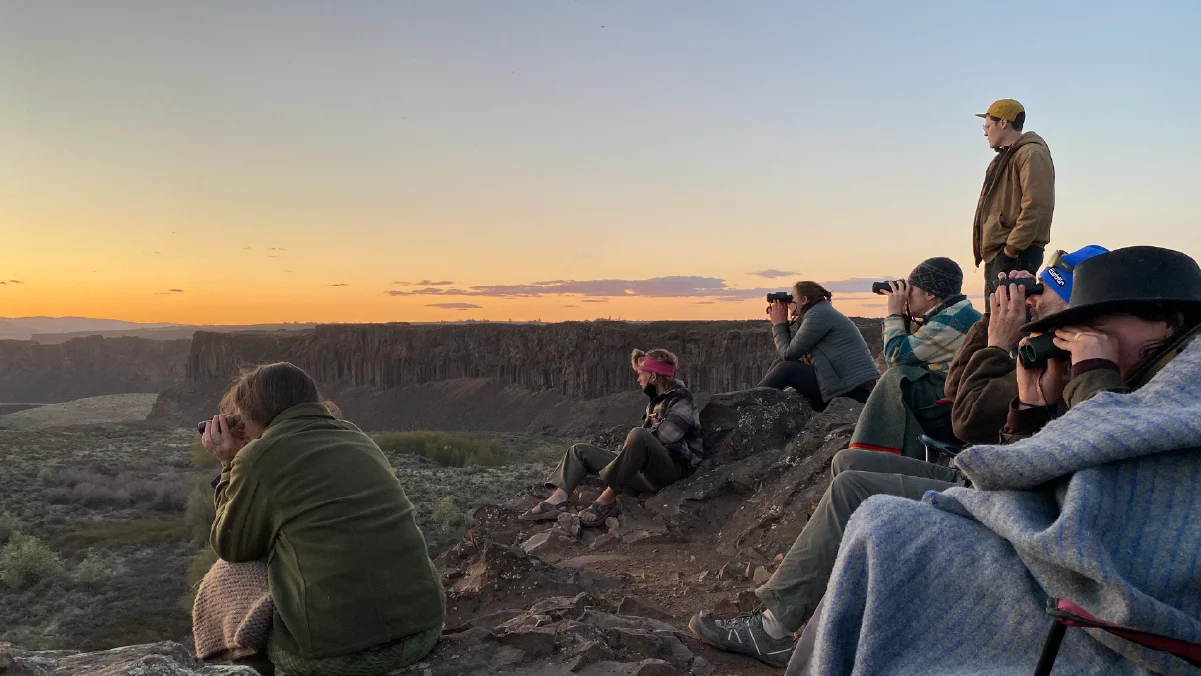
Experiences during the program often extend far beyond the primary campus boundaries, enriching students’ understanding of the local ecology. Field excursions to diverse regional environments, such as a journey to Eastern Washington where members of the Frog Clan observed a Great Horned Owl during sunset, provide firsthand encounters with the Pacific Northwest’s rich biodiversity. These immersive field studies reinforce the core curriculum, turning theoretical knowledge into lived experience.
For those contemplating the journey, the choice often comes down to moving past hesitation and confronting the barriers that keep them from committing to their own growth. By utilizing available financial aid, exploring creative housing solutions, and viewing a career break as an investment in personal resilience, prospective students find that the obstacles to attending The Immersion are surmountable. Those interested in exploring the program further can review admissions details online or connect directly with the admissions team to discuss their individual circumstances and take the first step toward lasting personal change.
