Reflecting Democracy in Action: How the Midterm Elections Overcame Anxiety to Deliver a Triumph for Free and Fair Voting
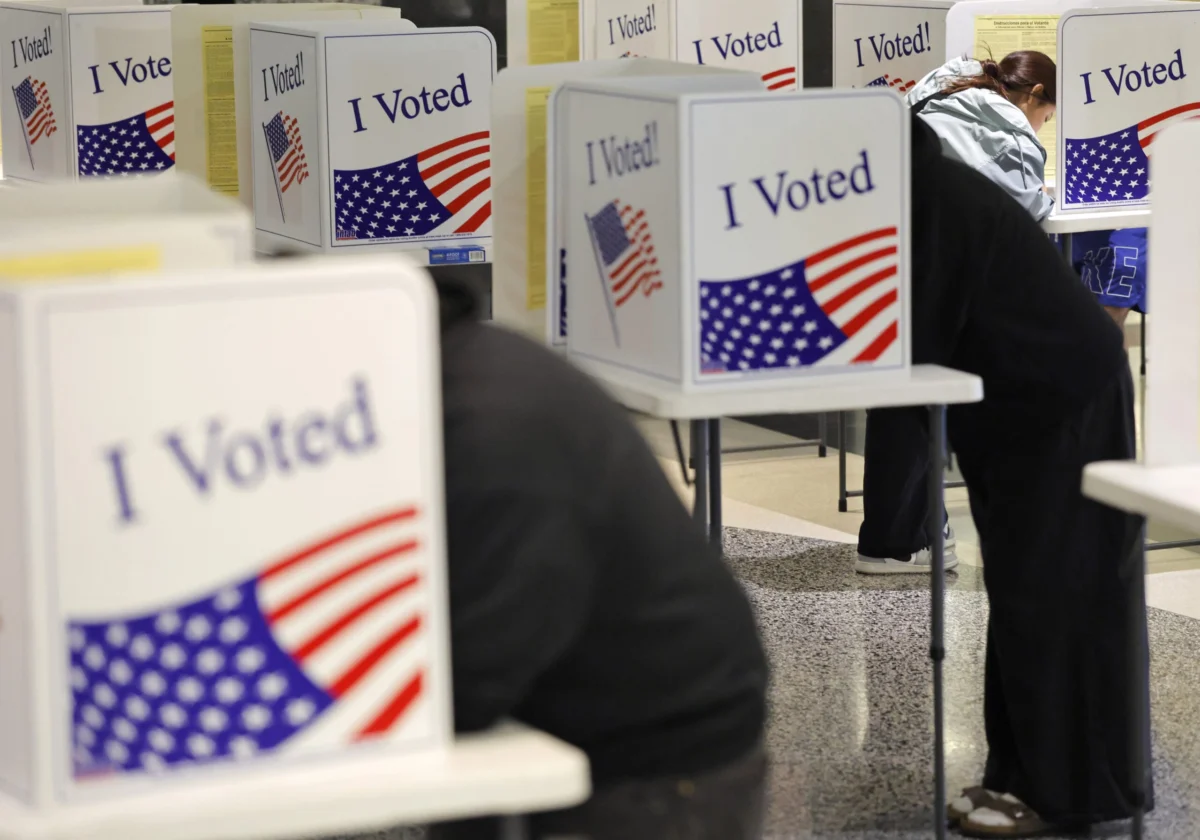
This year’s midterm elections have concluded as a remarkable triumph for the principles of free, fair, and safe democratic participation across the United States. Over the past year, leading up to election day, the national conversation was heavy with apprehension. Pervasive concerns had taken root regarding a variety of potential disruptions, ranging from aggressive immigration enforcement initiatives positioned dangerously close to polling locations to heightened federal scrutiny and oversight directed at local election administration. Pundits and community leaders alike worried that these friction points, alongside a volatile political climate, might act as powerful deterrents, ultimately suppressing voter turnout or plunging the voting process into logistical chaos and widespread confusion.
Yet, as the ballots were cast, tabulated, and certified in communities nationwide, none of these feared disruptions came to pass. The doomsday scenarios failed to materialize, and the democratic machinery functioned with a resilience that surprised even seasoned political observers. This peaceful and orderly execution of a massive national election was not merely a stroke of good fortune or a fortunate coincidence. Rather, it stands as the direct result of the tireless, often unheralded hard work carried out by secretaries of state, local election officials, and the millions of everyday citizens who stepped forward to serve as poll workers, greeting neighbors, verifying registrations, and ensuring that every eligible voice could be heard.
Furthermore, this success was forged by ordinary Americans who chose to cross deep ideological divides, setting aside partisan grievances to actively advocate for one another’s fundamental right to vote without the lingering fear of violence, harassment, or intimidation. It was also made possible by a conscious shift in governance at the federal level, where the current administration ultimately chose a path of restraint. That decision followed instances where previous overreach had been met with fierce resistance in communities throughout America, proving that collaboration and respect for local control yield far better outcomes for civic peace than heavy-handed federal intervention.
The tangible results of this collective effort were visible throughout the week, as multiple states reported record-breaking voter turnout alongside a series of historic and closely watched electoral victories. In a nation frequently characterized by profound political division and social friction, citizens once again demonstrated their enduring faith in the democratic process, choosing to demand change, voice their grievances, and shape their futures through the quiet power of their ballots rather than resorting to civil unrest or violence. In a further testament to the health of the republic, candidates from both major political parties who fell short on election night chose to honor the tradition of American democracy by accepting the clear will of the people and graciously conceding their respective races.
It is vital to recognize that free and fair elections do not occur automatically, nor are they a permanent miracle that sustains itself without constant nourishment. They require an extraordinary amount of meticulous planning, legal protection, administrative competence, and civic engagement. These vital pillars cannot be maintained, guarded, or sustained by any single political party, partisan faction, or ideological movement working in isolation. The foundational institutions of the American republic—no matter how cleverly designed by the framers or how robustly defended by legal precedent—will inevitably crumble if they are not actively held up, supported, and valued by all members of society.
This week, millions of Americans stepped up to the challenge, shouldered their civic responsibilities, and delivered a free and fair election that successfully secured this all-important pillar of American public life for generations to come.
