Mastering the Preschool Transition: Educator Mr. Chazz and Janet Lansbury Share Insights on Building Trust and Connection
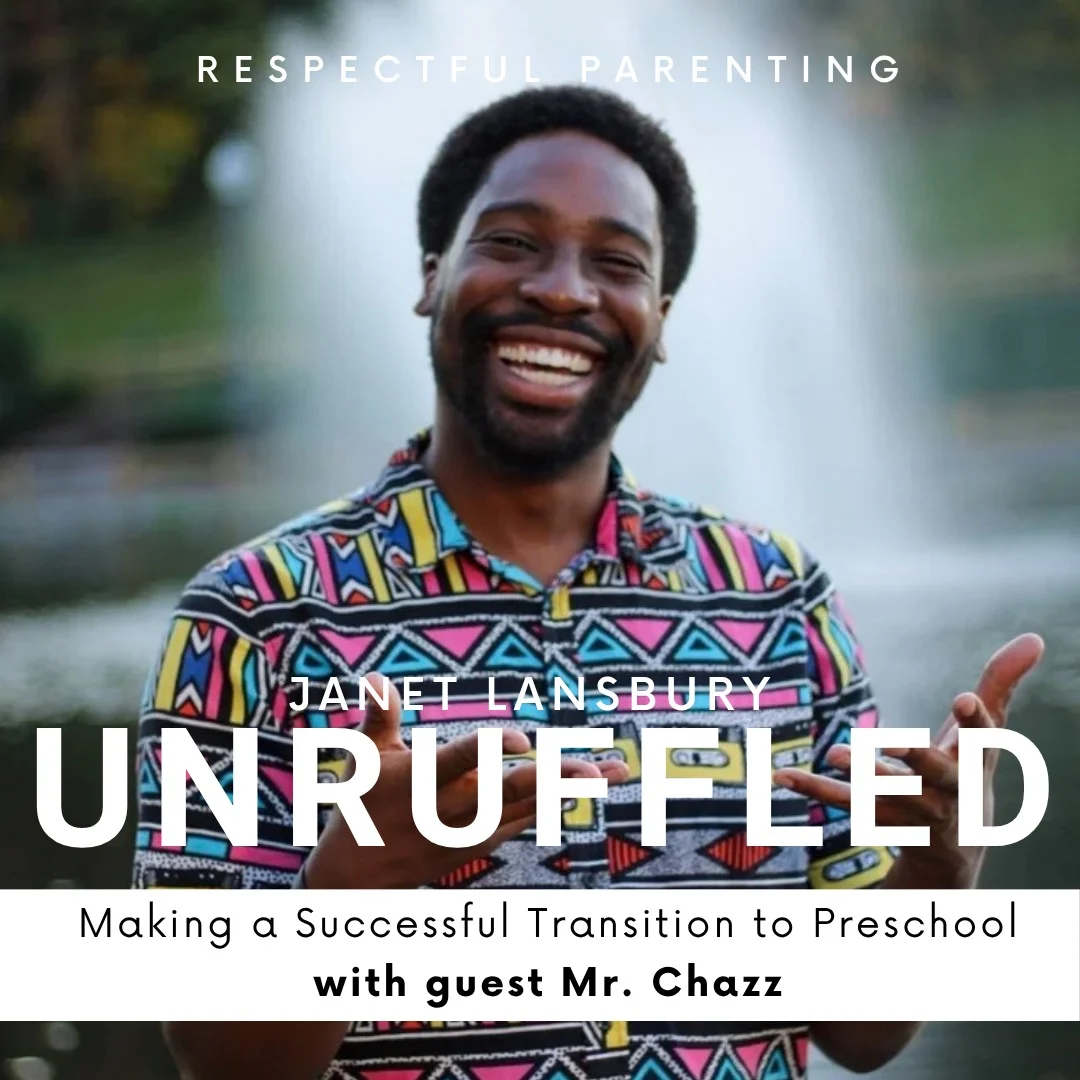
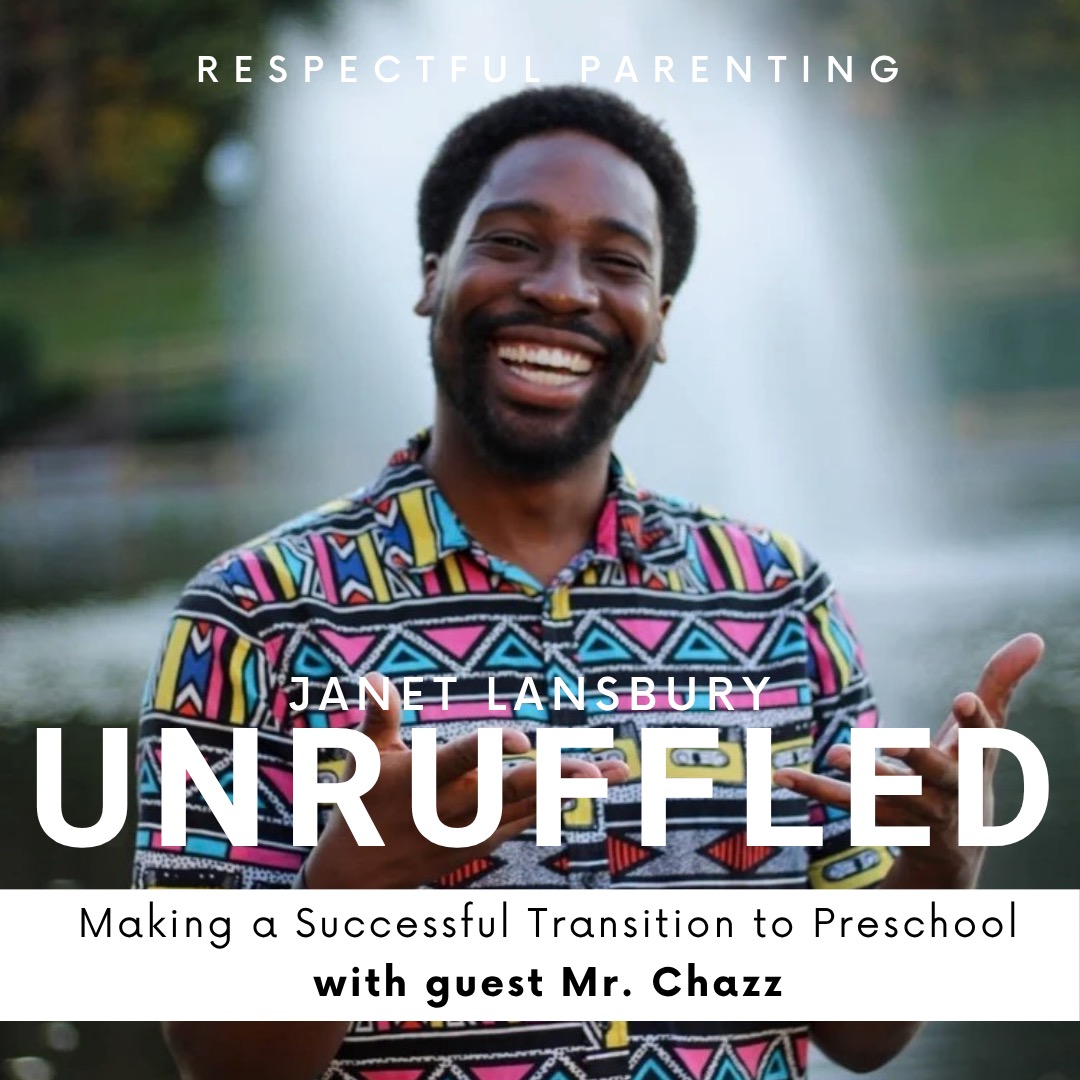
As families navigate the emotional hurdles of the back-to-school season, parenting expert Janet Lansbury recently welcomed renowned educator Mr. Chazz to her podcast to discuss how parents and teachers can ease the transition into preschool and childcare. Known widely across social media platforms like TikTok and Instagram as "America’s favorite teacher," Mr. Chazz brought his signature humor, humility, and deep expertise to the conversation, focusing heavily on the foundational roles of trust, safety, and emotional connection during separation.
The discussion arrived at a critical time of year when young children across the country are either entering school for the very first time or returning to a classroom environment after a summer break. Setting the stage for the interview, Lansbury praised Mr. Chazz not only for his engaging online presence and his educational podcast, Learning Curve with Mr. Chazz, but also for his latest real-world venture: opening Birdhouse, an innovative in-home childcare and learning center located in Brooklyn, New York.
Mr. Chazz explained that his approach to early childhood education stems from a desire to fix what he views as fundamentally flawed practices in traditional childcare centers. According to the educator, roughly 99 percent of existing childcare programs handle transitions in a way that prioritizes adult convenience over the emotional well-being of the children, teachers, and families involved. Too often, drop-offs resemble rushed logistics where children are quickly ushered into classrooms while parents dart out the door.
To combat this, Mr. Chazz designed Birdhouse to completely rethink how adults and children experience the start and end of the school day. Crucially, the model begins with supporting the educators themselves. At Birdhouse, the head teacher lives on the upper floor of the facility, allowing them to live rent-free and escape the chronic survival state that plagues many early childhood professionals. By ensuring that teachers feel genuinely cared for, adequately compensated, and housed securely, the program fosters long-term consistency and dedication—key elements that directly benefit both the children and their families.
Shifting the focus to the daily routine, Mr. Chazz noted that language matters immensely when shaping a child’s mindset. At Birdhouse, traditional terms like "drop-off" and "pick-up" have been deliberately replaced with "arrival" and "reunion." This terminology shift is backed by a radically different operational approach. Rather than forcing a hasty goodbye, the arrival process is treated as an intentional period of integration. Children enter the space alongside their parents, wash their hands, put away their belongings, and engage in personalized moments of connection with the staff, whom the school refers to as "safekeepers" rather than teachers.
Visual routines play a significant role in this process. Mr. Chazz utilizes step-by-step visual cue cards that guide children and parents through the arrival sequence—from greeting a safekeeper with a high-five, fist bump, or hug, to hanging up jackets, removing New York City street shoes at the door, and washing hands. These predictable visual steps give young children a sense of agency and reduce the friction that often accompanies transitions. Furthermore, Birdhouse invites parents to visit the space alongside their children weeks before official enrollment begins, allowing the children to build familiarity with the environment and establish foundational trust with the adults in charge.
Despite these extensive preparatory measures, both Lansbury and Mr. Chazz emphasized that crying and emotional outbursts are still bound to happen. Separation anxiety is a natural reflection of a child’s deep love and attachment to their parents. When a child experiences a difficult morning, the goal is not to suppress their feelings or hastily distract them, but to hold space for their emotions. Mr. Chazz shared an anecdote about a particularly challenging morning at Birdhouse where a child cried through an entire circle time while missing his mother. Rather than ignoring the child or rushing to silence him, the safekeepers remained available and supportive without forcing unwanted physical touch. Remarkably, the rest of the class learned valuable emotional co-regulation by taking deep breaths and sending supportive energy to their classmate.
Lansbury noted that witnessing such demonstrations gives parents and educators powerful permission to step back and resist the urge to instantly "fix" a crying child. Instead of viewing tears as a failure or a negative event, caregivers are encouraged to recognize them as a healthy, necessary release of built-up tension and energy. Mr. Chazz underscored the importance of avoiding the blame game—whether pointing fingers at oneself, the child, or the school—and instead accepting that difficult moments simply happen as part of human life. By maintaining a calm, helpful mindset, caregivers can turn emotionally charged situations into powerful learning opportunities for everyone involved.
For parents whose children attend traditional childcare centers that do not permit long arrival routines or parent-stay policies, Mr. Chazz offered several practical strategies. Families can create their own visual routine cards at home, make personalized picture books documenting the new school environment, and role-play the arrival and separation process using stuffed animals. Rehearsing these scenarios ahead of time helps familiarize children with the routine, making it easier for them to navigate the emotions of the actual day.
Both educators also addressed the steep learning curve teachers face during the opening weeks of the school year. With large groups of children bringing diverse home routines, temperaments, and communication styles into a single classroom, it takes time for teachers to tune in to each individual child. Mr. Chazz and Lansbury closed their discussion by reflecting on the profound emotional labor and deep rewards of classroom teaching. Despite the daily challenges, both educators agreed that there is no substitute for the deep, meaningful connections formed while guiding young children and supporting families through pivotal developmental milestones.
