Parenting Expert Janet Lansbury Addresses Common Childhood Social Struggles and Parental Influence
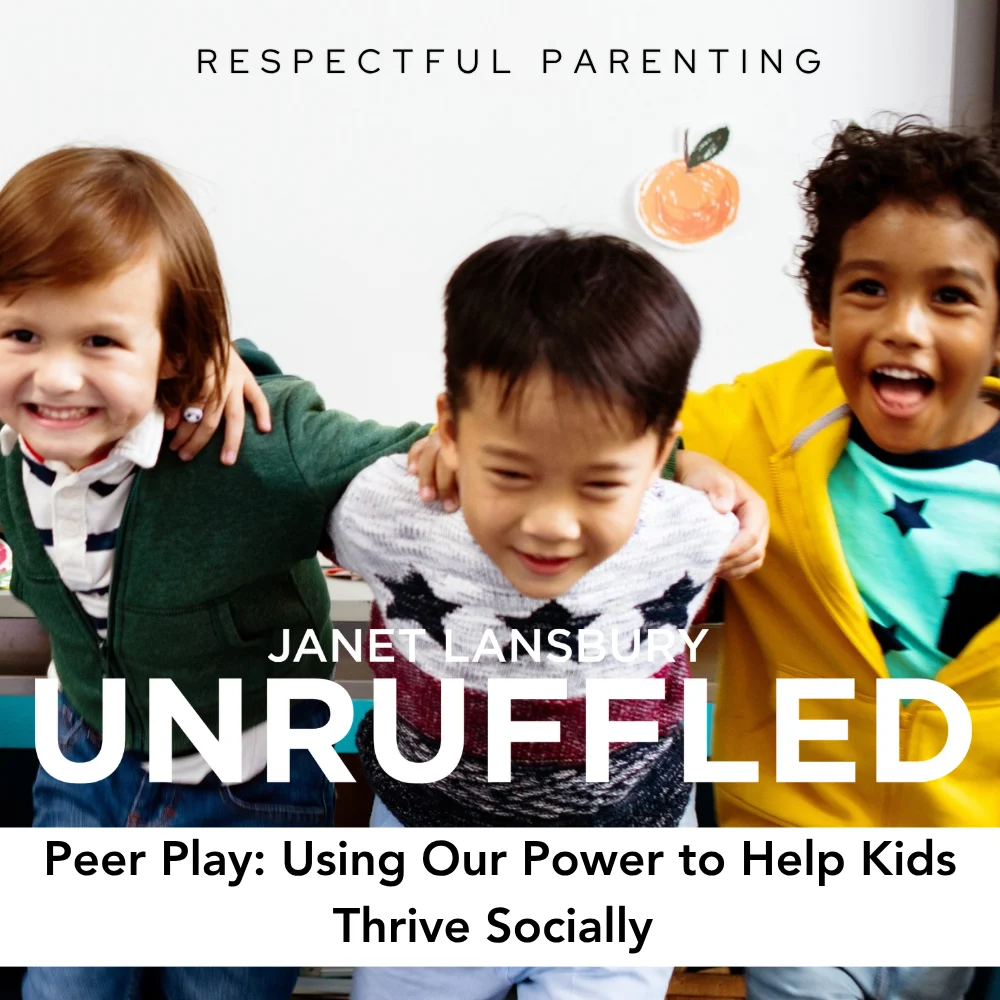
Renowned parenting author and podcaster Janet Lansbury recently turned her attention to a universal challenge for families: helping young children navigate social dynamics, peer play, and interpersonal relationships. In an episode of her podcast, Unruffled, Lansbury addressed three distinct scenarios submitted by parents dealing with preschool-aged social hurdles.
The episodes examined a range of situations, including a four-year-old child who micro-manages pretend play with strict rules, a younger child feeling excluded in a playground group dynamic, and a three-year-old struggling with shyness around unfamiliar people. According to Lansbury, while these issues initially appear external and unrelated, they share a common thread regarding how children develop social competence and how parents unknowingly influence these interactions through boundaries and trust.
Lansbury emphasized that the relationship adults build with their children serves as the foundational model for all future social engagements. While direct instruction and modeling—such as demonstrating kindness or generosity—are important, they are not the sole mechanisms through which children learn complex social nuances. Instead, Lansbury argued that parents exert a powerful influence through two often difficult practices: establishing firm, reasonable boundaries and trusting the child’s own developmental process.
The first major scenario discussed involved a four-year-old girl described by her parent as living largely in character and demanding rigid adherence to specific scripts during pretend play. According to the mother’s submission, the child insists that family members and peers say exact lines during games, stopping and restarting the play if anyone deviates. This behavior has increasingly strained her interactions with close friends, many of whom have known her since infancy. Despite attempts to explain that the dynamic is unenjoyable, the child becomes angry or sad when others fail to follow her directions, and the pattern has persisted for a year.
Lansbury noted that when a child makes seemingly unreasonable demands during play, it often signals a need for a clear, reasonable boundary from the adult. Rather than attempting to please the child or endlessly participating in rigid pretend scenarios, parents should recognize that the child may actually be testing limits to manage underlying emotional pressures. These pressures could stem from developmental milestones associated with four-year-olds—an age characterized by testing boundaries and striving for independence—or broader family adjustments, such as the presence of a younger sibling.
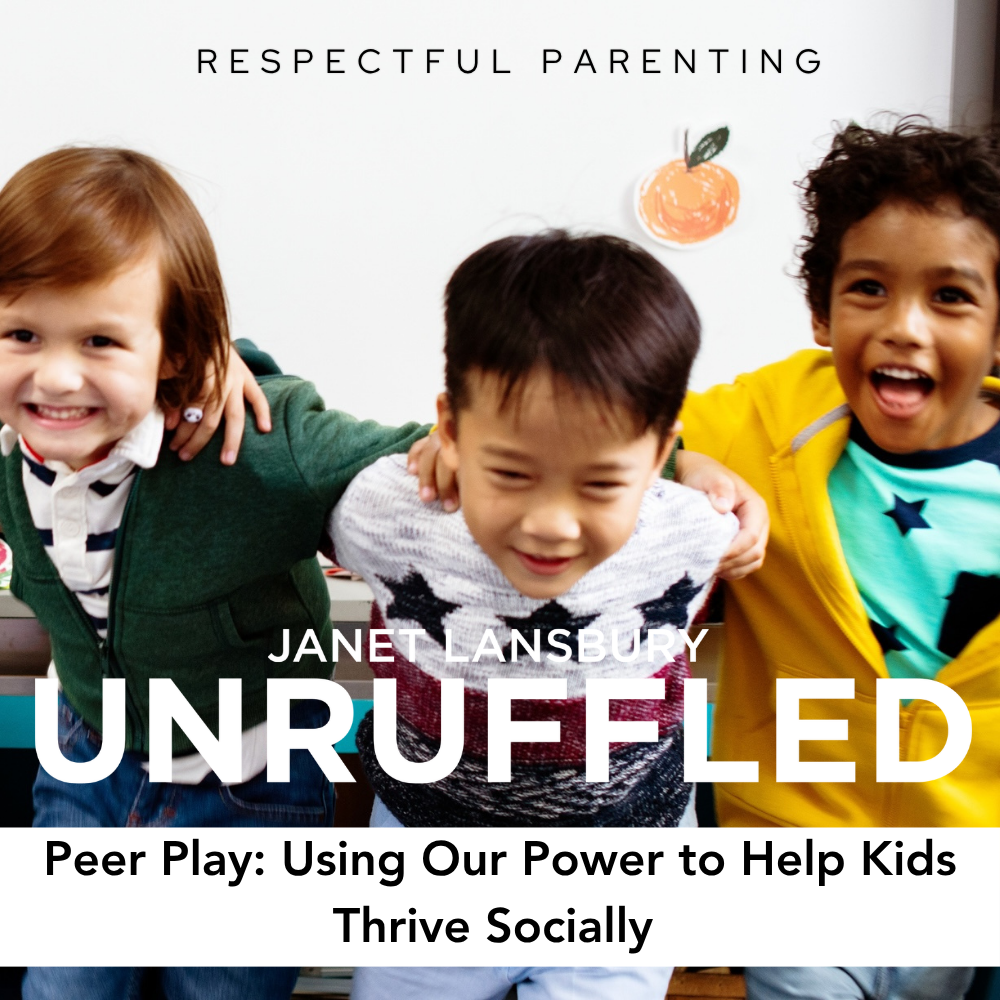
By acquiescing to over-the-top control demands, parents risk inadvertently handing over too much power, leaving the child unequipped to handle natural social rejections from peers. Lansbury suggested that parents can support children in these situations by refusing to play in prescribed, restrictive ways while remaining a safe space for the child to express resulting frustrations, anger, or sadness. When adults maintain reasonable boundaries and listen to their own feelings of discomfort, they model the reality that other people do not always conform to individual demands.
The discussion also explored a second scenario submitted by a parent questioning how respectful parenting approaches bullying and group exclusion. The parent described a situation involving a four-and-a-half-year-old girl who frequently experiences exclusion on the playground by a group of older peers who are a year ahead in preschool and possess a more advanced level of social-emotional development. While the child maintains positive one-on-one friendships with these girls, group settings often result in her being left out or targeted in games.
Lansbury addressed the terminology used in the inquiry, cautioning against labeling typical childhood exclusion as bullying. She noted that applying such heavy terms and casting the child as a victim is neither accurate nor helpful in a preschool context, where a one-year developmental age gap significantly impacts social dynamics. Lansbury pointed out that while adult intervention—such as a parent stepping in to enforce inclusion—might provide temporary relief, it ultimately bypasses the child’s opportunity to navigate social realities independently.
According to Lansbury, experiencing rejection and learning that certain group dynamics do not work out are crucial, albeit uncomfortable, parts of childhood development. Rather than attempting to fix the situation or pitying the child, parents can support them by offering honest assessments of social environments and trusting the child’s capacity to decide whether or not to engage, thereby fostering true resilience.
The final scenario addressed a brief inquiry concerning a reserved three-year-old child needing help to feel comfortable around others. Lansbury stated that the approach to supporting reserved children mirrors the philosophy needed for group exclusion: deep trust in the child’s individual pace.
Coaxing, prompting, or attempting to force a child out of reserved behavior often communicates anxiety to the child, reinforcing the idea that their natural temperament is a problem that needs fixing. Lansbury recommended allowing reserved children to take their time, offering physical presence and steadfast boundaries without demanding immediate social participation. By respecting a child’s timeline and providing a secure foundation, parents empower youngsters to find their own comfort levels in social settings naturally over time.
