Wellness Experts Highlight Natural Detox Baths as an Inexpensive Way to Support Body Health and Skin Care
The daily routine of a warm bath has long been praised for its relaxing qualities, but health and wellness advocates are increasingly drawing attention to specialized detox baths as an effective, low-cost method for addressing skin issues and supporting the body’s natural cleansing systems. While the human body relies on organs like the liver, kidneys, and skin to continuously process and eliminate toxins, modern lifestyle pressures have led many to seek out targeted, natural ways to assist these internal processes.
For individuals who may not have the time for a full-length soak, experts note that alternative approaches, such as specialized foot baths, can offer similar therapeutic benefits. Because the process of supporting the body’s natural defenses can sometimes induce mild fatigue, wellness practitioners frequently recommend incorporating these therapeutic soaks into an evening or bedtime routine. These practices are also noted to be generally safe and soothing for children, helping to provide natural support to their developing systems. However, medical professionals always advise that individuals with underlying health conditions, as well as those who are pregnant or nursing, should consult with a healthcare provider before introducing new wellness routines.
Over time, understanding around the concept of physical detoxification has evolved. Rather than viewing detox as an artificial reset, experts increasingly emphasize that detoxification is an innate biological function. The body’s intricate network of organs works around the clock to filter out unwanted substances. Nevertheless, exposure to environmental stressors in modern life has prompted a resurgence of interest in traditional, pantry-stable ingredients that can enhance circulation, aid physical recovery, and provide deep relaxation during a soak.
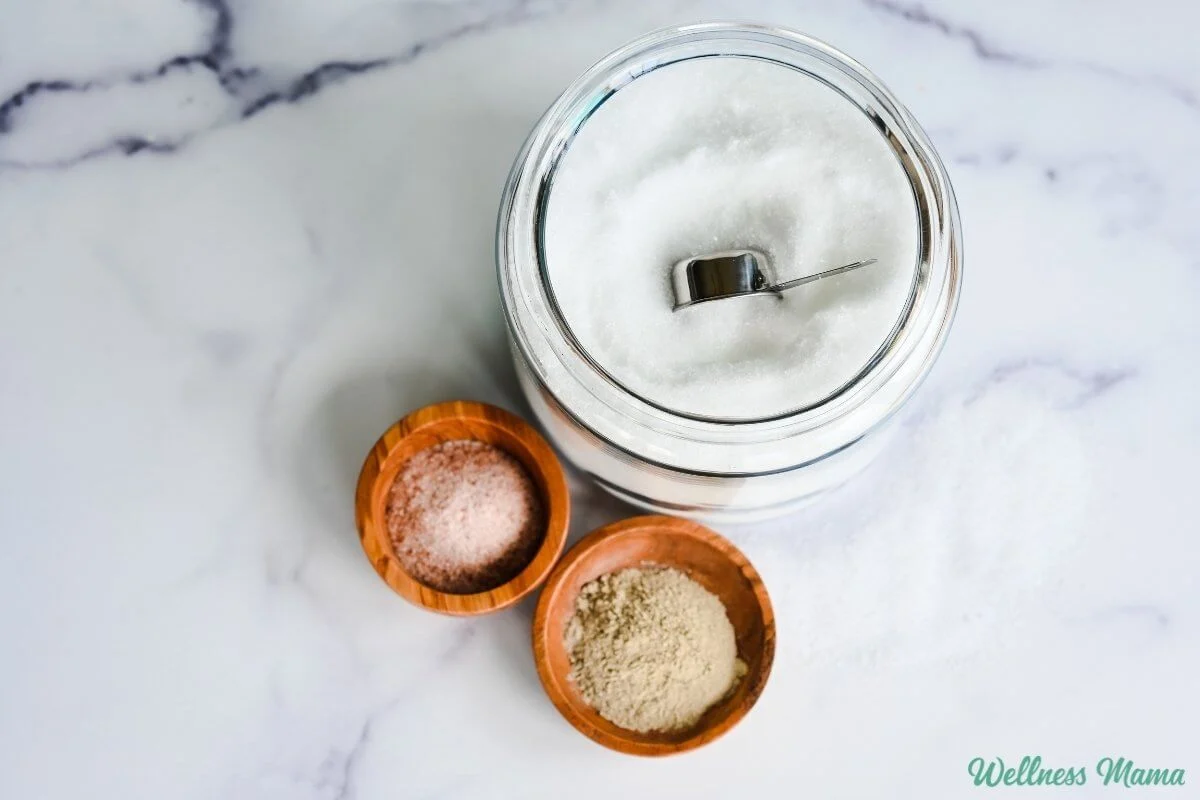
Among the foundational methods discussed by wellness advocates is the classic Epsom salt bath. Epsom salts not only serve as a versatile base for various therapeutic recipes, but they also provide a convenient way to boost magnesium levels transdermally. Beyond simple magnesium soaks, a variety of alternative bath preparations utilize common household or easily sourced ingredients, including bentonite clay, apple cider vinegar, and organic mustard powder, each bringing distinct properties to the wellness routine.
Clay baths, for instance, often incorporate bentonite clay, a substance widely recognized for its ability to absorb heavy metals that can accumulate within the body over time. Because bentonite clay has a tendency to settle, practitioners caution that utilizing a drain filter or a cloth filter during these specific baths is essential to prevent the material from building up in household plumbing and causing potential blockages. When combined with Epsom salts, clay baths offer a dual-action approach, with the salts working to draw out various impurities while replenishing essential minerals.
Another traditional variation gaining attention is the oxygen or ginger-infused bath, which is frequently utilized during periods of seasonal illness. Natural ginger is known for its ability to help clear congestion, alleviate minor body aches, and stimulate blood circulation, which can contribute to faster physical recovery. Similar botanical and spice-based approaches, such as mustard baths utilizing organic mustard powder rather than prepared condiments, draw on historical traditions from ancient cultures. These spice preparations rely on circulation-stimulating properties to help soothe the body during colds, flus, or muscle soreness, while combining with magnesium and aromatic elements for a comprehensive therapeutic experience.
For individuals struggling with specific skin irritations, such as sunburn, eczema, dandruff, or dry, itchy patches, vinegar-based baths offer targeted relief. Apple cider vinegar is frequently highlighted for its ability to help balance the skin’s natural pH levels. While the distinct aroma of vinegar may not appeal to everyone, advocates note that a properly diluted vinegar soak can leave the skin feeling remarkably soft and the hair with added shine. Following a vinegar bath, some individuals prefer to rinse off with a cool shower, while others choose to allow the vinegar water to dry naturally on the skin.
As with any shift in health and wellness habits, professionals recommend starting slowly to monitor how the body responds. For those seeking further guidance on minimizing environmental exposure and supporting the body at home, comprehensive literature is available through specialized wellness publications, including the works of authors like Katie Wells, who has documented lifestyle detox strategies. Additionally, for households concerned about water quality during these therapeutic soaks, specialized filtration systems such as dedicated bathtub filters can provide an extra layer of protection.
Medical professionals, including board-certified family physicians like Dr. Madiha Saeed, emphasize that while these traditional wellness practices can complement a healthy lifestyle, they do not replace personalized medical advice. As interest in accessible, at-home wellness solutions continues to grow, natural detox baths remain a popular and flexible option for individuals looking to enhance their daily self-care routines.
