Landmark Peer-Reviewed Study Validates Spinning Babies® Approach to Fetal Rotation
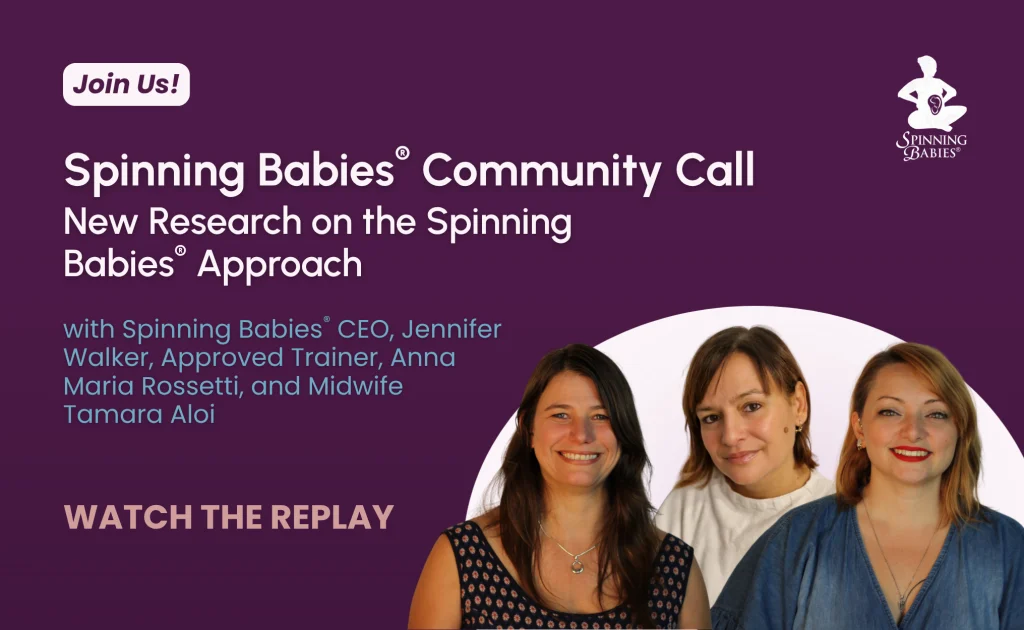
On November 5, 2025, the global birth community marked a significant milestone as Spinning Babies® hosted a virtual assembly that bridged the gap between intuitive clinical practice and empirical academic research. The event, held via Zoom, featured Spinning Babies® CEO Jennifer Walker, Approved Trainer Anna Maria Rossetti, and midwife Tamara Aloi. The primary focus of the discussion was a groundbreaking article recently published in the European Journal of Midwifery, which represents one of the first peer-reviewed studies to specifically investigate the efficacy of the Spinning Babies® methodology in facilitating fetal rotation during labor.
For many birth professionals—including midwives, obstetricians, and doulas—this study serves as a long-awaited formal acknowledgement of the patterns they have observed in delivery rooms for years. By applying the principles of "Balance before Force" and the "Pelvic Levels Solutions™" framework, these practitioners have long championed the idea that fetal positioning is not merely a matter of chance, but a dynamic process that can be influenced by maternal comfort and pelvic mobility. The publication of this study provides a new, evidence-based language to describe these clinical observations, offering a bridge between the lived experience of the birth room and the rigorous standards of modern medical literature.
A Collaboration Rooted in Real-World Practice
The genesis of this research is a story of professional synergy and shared commitment to physiological birth. Anna Maria Rossetti, whose work at the Scuola Elementale di Arte Ostetrica (SEAO) has been instrumental in promoting midwifery-led education throughout Italy, has long been a voice for the physiological approach to childbirth. Her partnership with Tamara Aloi, a contemporary and former midwifery school colleague, proved to be the catalyst for the research.
Their professional paths remained intertwined through a deep-seated commitment to understanding the mechanics of birth. When Tamara attended one of Rossetti’s Spinning Babies® workshops, she was struck by the potential for integrating these specific techniques into her own hospital-based clinical practice. Seeing the tangible impact that these maneuvers had on the outcomes of the labors she managed, Tamara became the driving force behind the study. Her desire to quantify and document the results she witnessed in her daily practice led to the formal development of the research project, turning anecdotal success into a structured, academic inquiry.
During the virtual community call, the discussion between the panelists moved beyond the dry data of the study, touching on the broader philosophy of birth care. Jennifer Walker, in her role as CEO, contextualized the study within the global shift toward a more physiological model of care. This movement prioritizes the concept of "physiology before force," advocating for interventions that support the body’s natural processes rather than attempting to override them through mechanical or pharmaceutical means. Central to this perspective is the recognition of the baby as an active participant in the birth process—an individual capable of navigating the pelvis if given the space and support to do so.
As the virtual floor opened to participants, the sentiment among attendees was clear. The live chat became a testament to the community’s collective experience, with numerous practitioners from across the globe confirming that the results mirrored their own clinical observations. This sense of validation was a recurring theme, suggesting that the study provides a critical framework for providers to feel more confident in utilizing these techniques in high-pressure clinical environments.
What the Study Shows: Examining Fetal Rotation
The research published in the European Journal of Midwifery offers a specific look at how the Spinning Babies® approach influences fetal rotation from occiput-posterior (OP) and occiput-transverse (OT) positions. Historically, these positions have been associated with longer, more difficult labors, often leading to medical interventions such as cesarean sections or instrumental deliveries. The study compared outcomes among patients who received the Spinning Babies® intervention against a control group, finding a statistically significant increase in the rate of rotation to the anterior position among those in the intervention group.
This finding is particularly noteworthy because it provides a quantitative foundation for the "Balance before Force" mantra. By focusing on the maternal pelvis and soft tissues, the approach seeks to optimize the environment for the baby to rotate, thereby reducing the need for more invasive interventions. The Pelvic Levels Solutions™ framework, which teaches providers how to address specific areas of the pelvis to resolve stalled labor, appears to be directly supported by the study’s data.
For the Spinning Babies® community, this study is not merely a scientific achievement; it is a tool for advocacy. It provides practitioners with the peer-reviewed evidence necessary to engage with hospital administrations and clinical teams who may have been skeptical of physiological techniques in the past. By demonstrating that these techniques can effectively support fetal rotation, the research creates an opening for more collaborative, evidence-based conversations in maternity wards around the world.
Accessing the Research and Continuing the Conversation
Recognizing that many members of the community were unable to attend the live virtual event, the organization has made the full recording available for public viewing. The session provides a deep dive into the study’s methodology, the implications for clinical practice, and the broader vision for the future of birth care. To ensure accessibility for a global audience, the recording is available in Italian, with the option for English captions.
The organization has also provided a curated selection of English highlights, allowing practitioners to quickly grasp the most pertinent findings of the study. For those who may be unfamiliar with how to access these resources, the process is straightforward. By utilizing the platform’s built-in accessibility features, users can toggle captions and even utilize translation settings to view the content in their preferred language. This commitment to accessibility reflects the inclusive, community-driven nature of the Spinning Babies® mission.
As the conversation regarding physiological birth continues to evolve, the impact of this study will likely be felt far beyond the confines of the initial research team. It marks a shift in how birth professionals discuss fetal positioning, moving away from a reliance on intervention toward a deeper understanding of pelvic mechanics. For the providers who attended the virtual call—and the thousands more who follow the work of the organization—the study is an affirmation of their dedication to improving the birth experience through knowledge, patience, and a respect for the natural capacity of the human body.
The event concluded with an expression of gratitude from the leadership team, who emphasized that the study is a collective success. By bridging the gap between the expertise of the individual clinician and the scrutiny of the scientific community, the project has strengthened the foundation upon which all physiological birth practitioners stand. Whether a seasoned midwife or a newly minted doula, the community remains united by the common goal of supporting birthing individuals with the most effective, evidence-based, and compassionate care possible. As this conversation continues to grow, it serves as a reminder that the path to better birth outcomes is paved with both the wisdom of experience and the pursuit of scientific rigor.
