The Myth of "The Best" Homeschooling: Why Your Personal Best Is Enough
For many parents who have chosen the path of alternative education, a persistent phantom lives rent-free in the back of the mind: the idealized homeschooling mother. She is, by all imagined accounts, simply the best. She executes every daily lesson plan flawlessly, keeps a pristine and orderly household, and remains entirely unfazed by emotional outbursts, self-doubt, external circumstances, or the unpredictable moods of children. In this mental construct, her children progress in a straight, forward-moving line of academic and personal achievement. She is both a hero to look up to and, for many real-world parents grappling with chaos, a figure of quiet frustration.
Jamie C. Martin, founder of Simple Homeschool and author of several parenting books, recently reflected on this universal tension felt by educators who guide their children from the kitchen table. Martin candidly admits that she is not that mythical woman. While the stars occasionally align and inspiration flows for a fleeting few hours or days, real life inevitably knocks on the door, dragging educators back into the realm of human imperfections and daily inadequacies. Yet, even in the midst of messiness and unexpected hurdles, the educational journey remains fundamentally on track. When real-world hardships strike, parents may not be delivering an idealized version of perfection, but they are offering something far more authentic: their own personal best.

This distinction between an unattainable standard of perfection and the reality of individual capacity forms the core of a broader conversation happening within home education communities. The challenge is reframing what success looks like when life shifts from smooth sailing to arduous climbing.
Navigating the Grassy Fields Versus Scaling the Rock Walls
To better visualize these shifting educational seasons, Martin points to an analogy shared by her friend and fellow author Lisa Grace Byrne. According to Byrne’s framework, certain periods of life resemble a peaceful walk through a flat, grassy field. During these open, uncluttered seasons, families cover a significant amount of ground, making steady, measurable progress one predictable step at a time. Lessons flow easily, curricula are completed on schedule, and the household hums with a manageable rhythm.

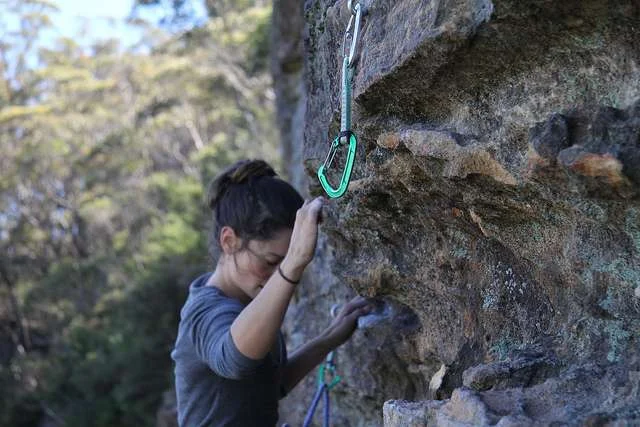
However, other seasons inevitably arrive when families reach the borders of that peaceful field and find a steep, rock wall towering directly before them. In these moments, turning back is simply not an option. The only way to continue moving forward is to climb, utilizing slow, shaky grips and careful footholds. Progress still happens, but it looks entirely different from the effortless stroll through the meadow. The best energy and focus a parent can offer during the peaceful seasons of life vary drastically from the survival-mode energy required when scaling unexpected walls.
Whether facing a sudden crisis, navigating a transition, or dealing with heavy personal burdens, many parents find themselves in these demanding climbing seasons simultaneously.

Understanding the Realities of Your Personal Best
The reality is that a parent’s personal best looks different every single day, and often every single hour. The capacity to give changes dramatically depending on external and internal pressures. It looks entirely different for someone managing a chronic health condition or adjusting to the arrival of a newborn. It varies for families who have just begun their homeschooling journey and are still finding their footing, for those raising children with special needs or strong-willed teenagers, or for individuals navigating the profound grief of losing a loved one.
While educational philosophies and seasoned mentors caution against simply giving up when things get difficult, parents are ultimately forced to play the cards they have been dealt, whatever those circumstances might require. When a parent knows deep down that they are offering the absolute best they have to give—even if it feels inadequate compared to glossy online portrayals or idealized curricula—the only constructive path forward involves extending grace to oneself.

Drawing wisdom from veteran educators and writers helps anchor parents during these demanding stretches. Citing thoughts from Suzie Andres in Homeschooling with Gentleness, Martin reminds readers that the ultimate objective is not delivering a complete or perfect education—neither of which is realistically possible—but rather awakening a genuine love of learning. If educators can help their children develop an attitude of lifelong curiosity, they have accomplished enough. Similarly, echoing the sentiments of Mother Teresa, the call of parenting is not necessarily to achieve outward markers of worldly success, but simply to remain faithful in the daily work.
Finding Strength in Shared Vulnerability and Reflection
During intense seasons of wall-climbing, experienced educators often return to foundational books and literature that first inspired their journey. Feasting on truth rather than yielding to self-doubt provides an essential emotional anchor. Furthermore, it helps to recognize that the weight of responsibility and insecurity is a universal experience shared by conscientious parents everywhere, regardless of whether their children attend traditional brick-and-mortar schools, private academies, or learn around the kitchen table.

Reflecting on personal fears often reveals that anxieties exist across all educational models, even if the specific worries change form. By taking a moment to evaluate what their personal best has already achieved, parents can recognize the distinct advantages their children enjoy simply by virtue of their individualized care. Whether a child was pulled out of a traditional classroom to escape the daily toll of bullying, or a sensitive student was rescued from an overstimulating environment where they struggled to thrive, the unique gifts of a parent make a tangible difference.
Every parent brings natural strengths to their home environment—qualities so deeply ingrained that they often go unnoticed because they feel entirely normal. Yet, as Sarah Mackenzie highlights in Teaching from Rest, cultivating a peaceful and happy home requires understanding one’s own authentic identity. Working in harmony with innate strengths and weaknesses allows a household to thrive, even if it means skipping elaborate projects or traditional classroom milestones.

Ultimately, the most meaningful support does not come from an unreachable expert who claims to know everything, but from a fellow traveler who is willing to walk alongside and acknowledge that the journey is genuinely difficult at times. By embracing a broken, honest, and persistent form of dedication, parents may discover that their authentic personal best is precisely what their children need all along.
