Homeschool Gift Ideas for Christmas: A Classical Gift Guide for the Whole Family
As the holiday season approaches, families engaged in home education often look for ways to blend seasonal giving with their daily learning rhythms. According to a recently released resource guide from Classical Conversations, the most enduring holiday presents are those that invite a household to continue exploring together. From beautifully crafted read-aloud books and simple musical instruments to strategic games and thoughtful reminders of faith and community, the focus remains on items that keep on teaching long after the wrapping paper is cleared away.
Compiled by Kyleen Bontrager, Lead Sales and Marketing Writer for Classical Conversations and a veteran homeschool director of thirteen years, the comprehensive holiday catalog organizes suggestions by educational program, clothing, literature, daily study supplies, and specific items chosen for homeschooling mothers. The guidance aims to provide parents, grandparents, and community friends with practical choices that align with the classical Christian education model.
Tailoring Gifts by Educational Program
Every developmental stage of a child’s education calls for a distinct approach to learning and, by extension, gifting. Younger children in the Foundations program, spanning ages four to twelve, naturally engage with the world through touch, song, and repetition. Following the Five Core Habits of Grammar—Naming, Attending, Memorizing, Expressing, and Storytelling—these students thrive on items that inspire wonder at creation. Favored items for this age group include introductory musical instruments like the key of D tin whistle, alongside engaging read-aloud collections.
As students progress into the Essentials program, they begin refining their command of English grammar, writing, and mathematics. This phase cultivates habits of careful analysis that strengthen the art of dialectic. Consequently, gifts that encourage personal organization, structured study, and neatness match the academic demands of middle school learners.
In the Challenge programs, students transition from questioning to persuading. Through seminars, debates, and the study of great books, they practice the arts of dialectic and rhetoric. Gift selections for these older teens are designed to honor their growing independence and deepening personal convictions, ranging from apparel that reflects their academic community to advanced literary classics.
Apparel and Community Spirit
New clothing items under the Christmas tree remain a cherished holiday tradition for many households. The seasonal release highlights a variety of officially licensed apparel that lets families wear their dedication to learning and faith. Among the cozy layers are classic caps suitable for nature walks and field trips, alongside specialized ponytail baseball caps designed for moms and female students. For those who enjoy musical memory work, timeline socks featuring historical cards offer a playful nod to chronological history studies.
Sweatshirts and t-shirts also feature prominently in the collection. The "Keepers of the Books" sweatshirt draws inspiration from the foundational charge given to homeschool parents by co-founder Leigh Bortins, celebrating families dedicated to the written word. Other options include durable pullover hoodies with roomy front pockets for chilly Community Day mornings, Comfort Colors long-sleeve tees displaying the organization’s core mission, and youth and adult t-shirts featuring Scripture printed in Latin, the language of the early church.
Accessories further bridge the gap between community spirit and daily wear. Options range from stretchy friendship bracelets and silver-tone dangling earrings with navy blue hearts for students, moms, and tutors, to collectible enamel pins and flexible footwear charms designed for personalization.
Literature and Family Library Building
Books form the cornerstone of any classical education environment, serving as a bridge to the greatest minds and ideas in history. For younger learners, the Copper Lodge Library series offers retellings such as Nathaniel Hawthorne’s Tanglewood Tales, introducing children to Greek mythology, and The American Experience Storybook, which brings historical events closer to home. Guides such as Gladys Hunt’s Honey for a Child’s Heart provide parents with valuable reading lists and encouragement for building a family culture centered around stories.
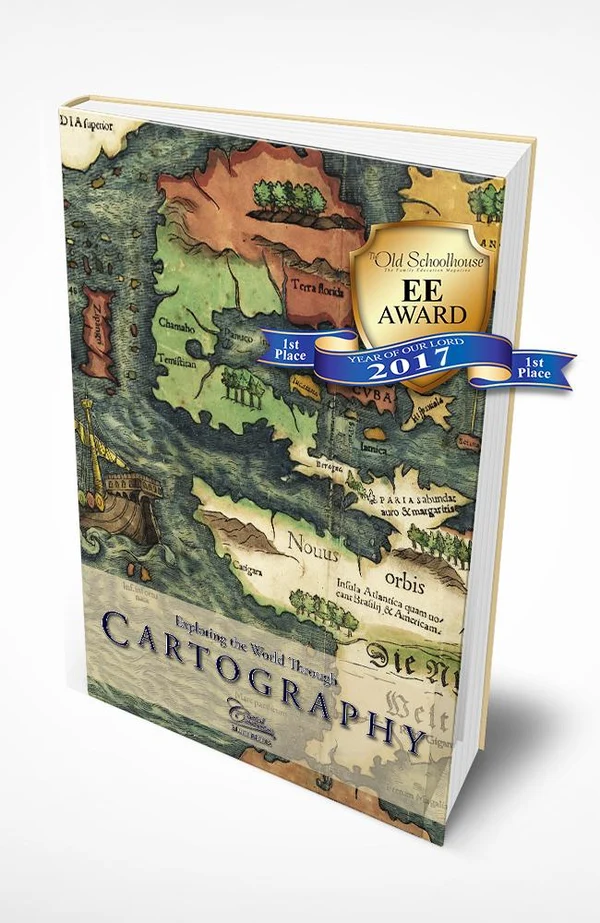
For home libraries and coffee tables, larger visual resources like Marvelous to Behold, a full-color art book featuring masterworks, and Exploring the World Through Cartography offer museum-quality exploration of mapmaking and human creativity. Meanwhile, classic family collections like the Echoes trilogy and the multi-volume Roman history series—spanning the kings, senators, and emperors of Rome—provide structured, thirty-minute weekly readings suitable for cozy winter evenings by the tree.
Older tweens and teens find intellectual and moral challenges in timeless literature selections. Titles such as The Secret Garden, Jane Austen’s Pride and Prejudice, C.S. Lewis’s The Lion, the Witch, and the Wardrobe, J.R.R. Tolkien’s The Hobbit, and Jack London’s Call of the Wild address themes of virtue, perseverance, and human nature.
Practical Supplies and Daily Gear
Practical learning tools support the daily administrative rhythms of homeschooling families. Stocking stuffers include Latin John 1:1 pencils in dark and light finishes, vinyl sticker multi-packs for laptops and water bottles, and wooden bookmarks. For educators and students alike, the Lead Learner Supply Kit provides a zippered pouch filled with writing instruments in a calming blue palette, serving as a gesture of appreciation for tutors and directors.
Everyday gear features embossed journals for note-taking, stainless steel insulated tumblers in various sizes for long study sessions, and packs of full-color notecards featuring institutional quotes and foundational statements. For transporting materials to and from weekly gatherings, rugged backpacks and utility totes provide functional durability. Gift certificates are also available for those who prefer to let classical educators select their own resources.
Resources for Homeschooling Mothers
Recognizing the immense dedication required of teaching parents, the guide highlights items specifically intended to refresh homeschool mothers. Books such as The Habits of a Classical Education: Practicing the Art of Grammar, which serves as a successor to The Core, offer practical ways to integrate core learning habits into family life. Other supportive reads include Classical Christian Education Made Approachable, Stratford Caldecott’s Beauty for Truth’s Sake, and Neil Postman’s Amusing Ourselves to Death.
Beyond literature, the recommendations emphasize physical comforts and relief from daily domestic routines. Warm pajamas, slippers, and rituals surrounding coffee or tea provide moments of pause, while meal delivery services, food baskets, and restaurant gift cards offer the gift of time and energy to investing parents.
Spiritual Growth, Toys, and Experiences
Rooting education in Christian worship remains central to the mission of Classical Conversations. To support this objective, gift guides suggest study Bibles, Donald Whitney’s Praying the Bible, and John Bunyan’s classic allegory, The Pilgrim’s Progress.
In keeping with a simplified approach to play, traditional toys and games are championed for developing strategic thinking, patience, and memory. Branded playing cards, chess sets, backgammon boards, dominoes, and memory-matching games foster face-to-face interaction. Similarly, building toys like blocks, Lincoln Logs, and Tektones encourage spatial reasoning and engineering principles, while jigsaw puzzles cultivate attention to detail.
Shared experiences and memberships provide alternative avenues for growth. Tickets to theatrical performances, local concerts, or classes in arts and crafts help students encounter beauty in person. Annual passes to zoos, aquariums, museums, and state parks turn occasional educational outings into reliable family rhythms, reinforcing academic concepts through direct observation of the natural world and human history.
