Transforming Houses into Homes: Five Creative Approaches to Displaying Family Photography
Printing out cherished family photographs and finding dynamic ways to exhibit them remains one of the most effective methods for transforming a standard house into a deeply personal haven. While traditional framing and hanging methods have long served households well, interior design trends and modern printing techniques have opened the door to far more inventive and unique ways to showcase treasured memories. Industry experts and imaging specialists are increasingly encouraging homeowners to look beyond the basic single-frame approach, offering inspiration for five distinct and creative ways to integrate photography into domestic living spaces.
The fundamental desire to display personal history on living room walls, hallways, and bedroom spaces has deep psychological roots. Psychologists and interior stylists frequently note that surrounding oneself with familiar faces and significant life moments fosters a sense of belonging, warmth, and emotional security. However, the mechanical act of hanging pictures has evolved beyond simple symmetry. Homeowners today are looking for flexible, artistic, and visually engaging methods to celebrate their personal archives, ranging from expansive architectural installations to intimate tabletop displays.
1 Create a photo gallery wall
A gallery wall continues to stand out as one of the most versatile and impactful methods for displaying a curated collection of family photography. Rather than scattering random frames across different rooms, grouping
images onto a single feature wall allows homeowners to tell a visual story. This approach can be executed through a variety of structural designs, depending on the architectural layout of the home and personal aesthetic preferences.
Creating a rigid grid offers a classic, structured way to feature family photos on a wall. Homeowners can employ identical frames to establish a clean, uniform look that complements modern or minimalist interior designs, or they alternatively utilize a diverse collection of varying frames to cultivate a more eclectic and unique arrangement.
Another increasingly popular method involves the use of picture ledges. This approach allows individuals to display photographs without committing to permanent hanging configurations. Because the frames rest on a protruding shelf rather than hanging from nails, pictures can be swapped out effortlessly, allowing residents to update their visual displays as frequently as they wish without damaging wall surfaces.
For households with a single, standout image that demands attention, making a statement with a large-scale photograph serves as an effective focal point. Printing a favorite family portrait in an oversized format draws the eye and anchors the entire room’s design scheme. Alternatively, mixing and matching frame sizes and styles allows for dynamic visual interest, provided the curator adheres to a specific color palette or overarching theme to maintain a cohesive look across the entire display.
2 Hang your photos with pegs
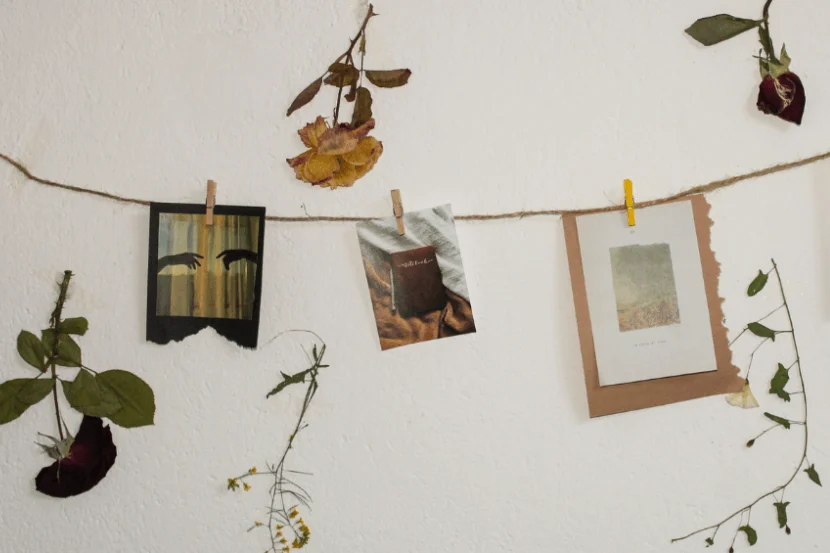
For a more casual, tactile, and customizable approach, hanging photographs with pegs provides a relaxed alternative to traditional heavy framing. This method typically involves securing a wire, a length of natural string, or a metal grid against a wall and attaching prints using lightweight pegs, creating a playful and dynamic visual display.
Homeowners looking to inject personality into their living spaces can easily embrace color by utilizing pegs and string in various vibrant hues. Furthermore, this method is not strictly limited to standard photographs. By incorporating other artistic elements, such as small sketches, collected postcards, or handwritten notes, residents can create a multidimensional narrative that reflects their daily lives and interests rather than just formal portraits.
This hanging technique also lends itself exceptionally well to thematic storytelling. For example, families can curate a travel-themed exhibit featuring candid snapshots and landscapes from past family trips, or assemble a seasonal collection dedicated to pictures captured during favorite holiday traditions and annual celebrations.
3 Make a photo book
While wall displays capture passing glances in hallways and living rooms, compiling family photography into a cohesive album offers a tactile experience akin to a personalized coffee table book. These bound volumes allow residents and guests to sit down, turn pages, and journey through years of memories in a structured, narrative format. Modern printing and binding services make it possible to customize layouts entirely, write detailed captions alongside images, and even tuck physical mementos like concert tickets or vintage postcards directly into the pages.
The production of these books involves several creative decisions, beginning with the selection of a layout. Many printing services offer a range of pre-designed templates, while others provide complete freedom for custom arrangements. Curators must carefully consider the density of images on each page and determine whether accompanying text will enhance the storytelling.
The cover design serves as the critical first impression for anyone picking up the book. Choosing a cover that reflects the thematic content within is essential, whether through standardized templates or by featuring a single, striking family photograph on the front. Additionally, modern photo book services offer sophisticated digital editing tools to enhance individual images. Homeowners can experiment with filters, precise cropping, and brightness adjustments to ensure every photograph is presented at its absolute best.
4 Use shadow boxes
When photographs need to be contextualized with physical objects, shadow boxes offer a three-dimensional display solution. These deep-framed cases allow residents to showcase tangible keepsakes—such as seashells gathered from a specific beach, theatre ticket stubs, or dried flowers—directly alongside family photographs.
Creating depth and visual interest within a shadow box relies heavily on layering. By positioning photographs and mementos at varying depths and utilizing different textures, colors, and materials, curators can build a rich, multi-layered visual appeal. Like peg displays, shadow boxes thrive on theme-based curation, bringing together photos and souvenirs from a unified moment in time, such as a milestone family vacation, a wedding, or a major holiday event.
To ensure the contents stand out, contrasting colors play a vital role. If a collection consists primarily of black-and-white portraits, mounting them against a brightly colored background can make the imagery pop. Furthermore, incorporating subtle lighting into the shadow box design can produce a striking effect, with miniature LED strips or string lights highlighting particular aspects of the display.
5 Create a photo mural
For those looking to make a bold artistic statement, transforming a collection of family memories into a full-scale photo mural turns personal history into a permanent work of interior design. Whether utilizing a single, massive panoramic image or an intricate collage of hundreds of smaller shots, murals function as stunning focal points in large living areas or entryways.
Monochrome designs remain a popular choice, with black-and-white murals offering a classic, timeless aesthetic. Selecting a thoughtful mix of candid, unposed moments alongside traditional portraits can cultivate a deep sense of intimacy and nostalgia.
Collage murals offer another avenue for creative expression, serving as a dynamic mirror for a family’s collective personality and style. Meanwhile, multi-generational murals provide a meaningful way to honor family lineage. By weaving together photographs of grandparents, parents, and children, these installations establish a continuous thread of connection and heritage within the domestic space.
Bringing Memories to Life
Translating these creative concepts into reality has been streamlined through modern photographic services. Industry providers such as Ted’s Cameras offer accessible, high-quality printing solutions designed to help households transition from digital storage to physical displays. With professional printing options ranging from traditional photographic prints to contemporary canvas, metal, and framed finishes, the technical hurdles of producing exhibition-quality pieces have been largely removed.
As interior design trends continue to emphasize personal storytelling over sterile perfection, investing time into thoughtfully displaying family photography remains a rewarding endeavor. By utilizing gallery walls, casual peg displays, bound coffee table books, dimensional shadow boxes, or expansive murals, homeowners can surround themselves with reminders of their most treasured moments, creating a living space that continually inspires and warms the heart.
